
The Leading Edge — June 2026 | Why Listening Is Becoming a Future Skill

Stages, screens and community spaces remind us that communication is never just words.

🧭 Editorial
Three kilometres from the main stage
Three kilometres from the main stages of the National Arts Festival, Fingo Festival was born from a simple problem: people in the township wanted to take part, but didn’t have the same point of access.
Festival director Luvuyo Booi has described how the main festival’s energy was concentrated in central Makhanda and around Rhodes University, while surrounding township communities weren’t being noticed in the same way. Fingo Festival grew from that gap.
That makes it more than a satellite event.
It's a reminder that culture is not only about who performs, but who is invited into the conversation.
This month, that question feels especially alive. In Makhanda, the National Arts Festival fills the city with stages, voices, bodies and audience response. In Johannesburg and Cape Town, Encounters Documentary Festival asks audiences to sit with testimony, memory and other people’s realities. In Fingo Village, culture moves through community space.
Together, these events ask a sharper question:
What does it take to really listen?
Not just to words, but to place, silence, gesture, memory, access and the people who are too often left at the edge of the main stage.
In Culture This Month
On stage, on screen, in community
On stage: National Arts Festival

Each year in late June and early July, Makhanda becomes one of South Africa’s most important cultural gathering places as the National Arts Festival brings together theatre, dance, comedy, music, visual art, film, talks, workshops and street performance.
A performance is never only a script. It is breath, rhythm, gesture, silence, timing and audience attention. Before meaning is understood, it’s often felt.
This is one of the reasons live performance remains powerful. It reminds us that communication happens through the whole body, not only through words.
On screen: Encounters Documentary Festival
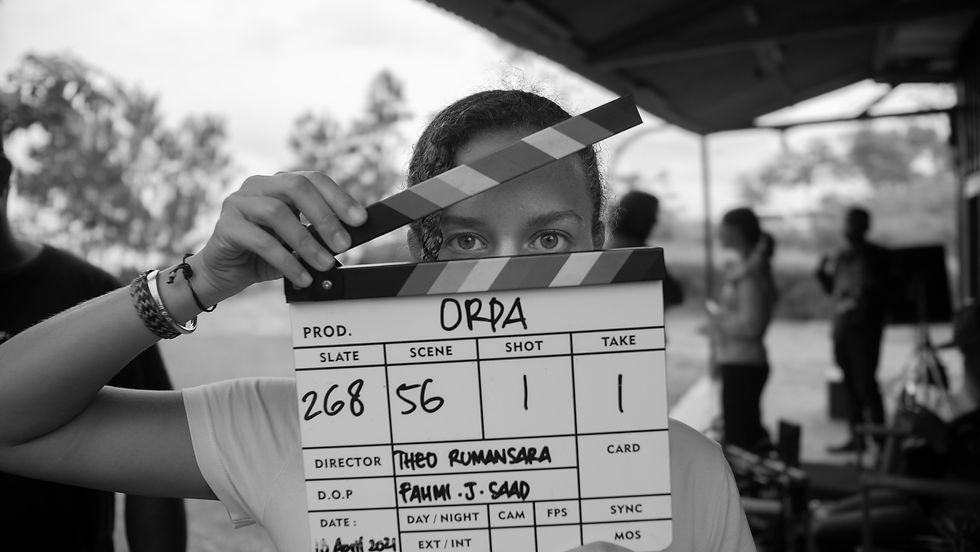
Each June, Encounters Documentary Festival brings documentary film to audiences in Johannesburg and Cape Town, creating space for testimony, memory, investigation and perspective.
Documentary depends on listening. It asks audiences to sit with another person’s reality, often across distance, language, culture or experience.
Subtitles may translate speech, but they can’t carry everything. Tone, hesitation, silence, facial expression and emotional weight still ask to be interpreted.
In community: Fingo Festival

During the National Arts Festival period, Fingo Festival takes place in Fingo Village, about three kilometres from central Makhanda, as a community-led cultural space rooted in local participation, dialogue and performance.
Its importance lies partly in where it happens. Not only on a main stage, but in a community space where children’s programmes, storytelling, workshops, dialogue, visual art, drama, music and local performance can become tools for social connection.
Some of the most important conversations don’t happen in formal rooms. They happen where people gather, listen and recognise themselves in the life of a place.

🧠 Insight: When silence carries the story
At last year’s Encounters Documentary Festival, Matabeleland by Zimbabwean filmmaker Nyasha Kadandara followed a Zimbabwean immigrant in Botswana as he tried to confront family trauma linked to the Gukurahundi massacres of the 1980s.
What made the film powerful wasn’t only what was said, but what had remained difficult to say across generations.
That’s where documentary teaches us something about communication. Listening isn’t passive. It’s the work of noticing hesitation, silence, tone, context and emotional weight. A subtitle can translate a sentence, but it can’t always translate what it costs someone to speak.
The same is true in classrooms, workplaces and everyday conversations. A pause may mean uncertainty, care, disagreement, respect or reflection. The technically correct word may still miss the social meaning of the moment.

🎓 Learning Focus
Learning to listen before you speak
Language learning is often imagined as speaking. We picture the moment someone finally orders a coffee in French, greets a client in isiZulu or joins a meeting in German.
But before confident speaking comes attentive listening. Learners need to hear rhythm, pronunciation, tone, pauses and patterns. They need to recognise when a phrase is formal, friendly, abrupt, warm, casual or too direct. They need space to practise, make mistakes, adjust and try again.
This is where live learning matters. A real teacher can notice hesitation, correct pronunciation, explain context and help learners build confidence in conversation. A translation tool can help with words. A teacher helps with meaning.
Listening practice helps learners:
👉🏽 understand natural rhythm and tone
👉🏽 respond more confidently in real time
👉🏽 notice context and social cues
👉🏽 move beyond memorised phrases
👉🏽 build trust in their own voice
This applies to students, professionals and anyone learning to communicate across cultures.
Strong communication begins before we speak. It begins with listening.
💙 Build Your Momentum
Build your communication confidence with lessons designed around real interaction, not only memorisation. With Click & Book, learners can keep practising at their own pace, with flexible live lessons that support confidence, listening, speaking and understanding.

Where do you notice the difference between being heard and being understood?
In a meeting, a classroom, a performance, a film, a family conversation or everyday life, what helps people listen more fully?
We’d love to hear your thoughts on this edition of The Leading Edge in the comments below.
Closing reflection
Words matter.
But meaning also lives in how we listen, pause, respond, move, translate,
gather and make space for one another.
This month’s cultural calendar reminds us that communication
isn’t only what we say.
It’s what we’re willing to hear.


Comments